On the morning of April 29, the International Center for Alzheimer’s Disease Research and Prevention (ICARPT) was inaugurated at the Park Road Campus of the First Affiliated Hospital of Wenzhou Medical University. Jointly established by Oujiang Lab and the First Affiliated Hospital of Wenzhou Medical University, it is the first center in China dedicated to basic and clinical research, prevention, diagnosis, and treatment of Alzheimer’s disease. The center aims to become an internationally recognized hub for “research-led, prevention-treatment integration,” contributing wisdom and strength to building an age-friendly society and improving the quality of life for the elderly.
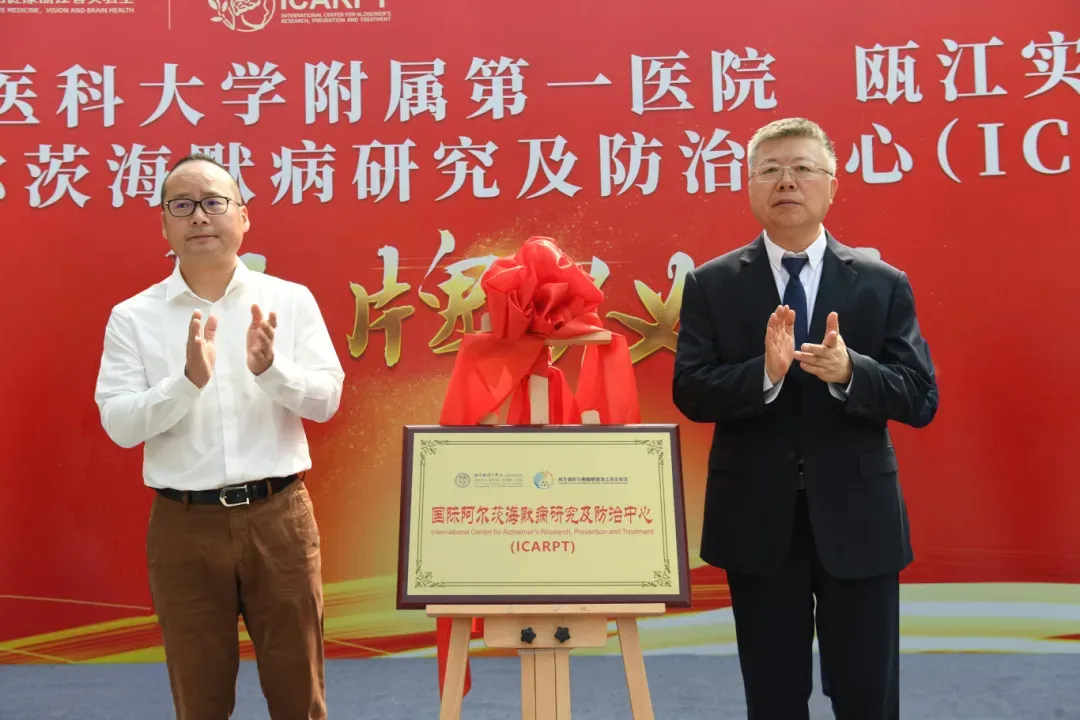
Attendees included municipal leaders Bai Honglang, Huang Yangxu, and Zhuge Qichun; Academician Li Xiaokun of the Chinese Academy of Engineering and President of Wenzhou Medical University; Wang Xiaochun, Secretary of the Party Committee and Director of the Municipal Health Commission; Shen Xian, Vice President of Wenzhou Medical University and Secretary of the Party Committee of the First Affiliated Hospital; Academician Song Weihong of the Canadian Academy of Health Sciences, Director of Oujiang Lab, Dean of the Geriatrics Research Institute and School of Geriatric Medicine at Wenzhou Medical University, and Director of the Geriatric Medicine Center at the First Affiliated Hospital; along with Academician Wang Yizheng of the Chinese Academy of Sciences, Debomoy K. Lahiri, Fellow of the American Association for the Advancement of Science and Member of the National Academy of Inventors, Chen Xiaochun, President of the Chinese Medical Doctor Association’s Neurology Branch, and other experts in geriatrics from home and abroad. Representatives from Wenzhou Medical University, Oujiang Lab, and local hospitals also attended. The ceremony was hosted by Zhang Chunwu, President of the First Affiliated Hospital.
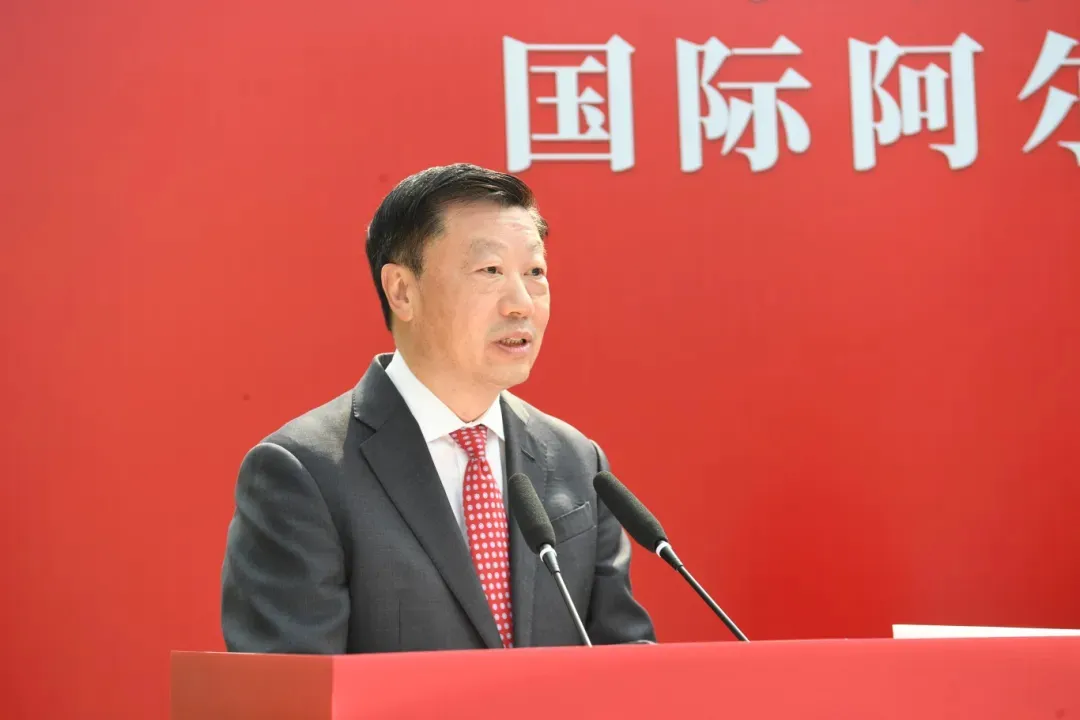
In his speech, Academician Song Weihong emphasized that as a researcher dedicated to conquering Alzheimer’s disease, he is deeply aware of the challenges and responsibilities in this field. The center, he noted, is not only for clinical diagnosis and treatment but also serves as a comprehensive platform integrating geriatric medical education, talent cultivation, and basic and translational research. It will further advance research on prevention, diagnosis, and treatment, contributing Chinese wisdom and Wenzhou’s solutions to tackling Alzheimer’s disease.

Academician Li Xiaokun stated that Wenzhou Medical University has always been committed to serving national strategies and contributing to local socioeconomic development through integrated healthcare, education, and industry-academia collaboration. He expressed hope that the center would focus on early diagnosis, drug development, and community intervention for Alzheimer’s disease, exploring innovative pathways for deep integration of “industry-academia-research-medicine.” The center aims to become a geriatric research hub with international influence, providing more precise and compassionate medical services for the elderly and contributing “Wenzhou Medical University’s wisdom” to Alzheimer’s disease prevention and treatment nationwide and globally.

After the inauguration ceremony, attendees toured the center’s four core functional areas. As the nation’s first Alzheimer’s research and prevention center occupying an entire building, it spans 1,345 square meters. Led by Academician Song Weihong of Wenzhou Medical University—a Fellow of the Canadian Academy of Health Sciences, top international Alzheimer’s scholar, and former Chief Researcher of Alzheimer’s Disease in Canada—the center fully leverages Oujiang Lab’s cutting-edge research capabilities and the hospital’s clinical resources as a key platform for geriatric medicine development.
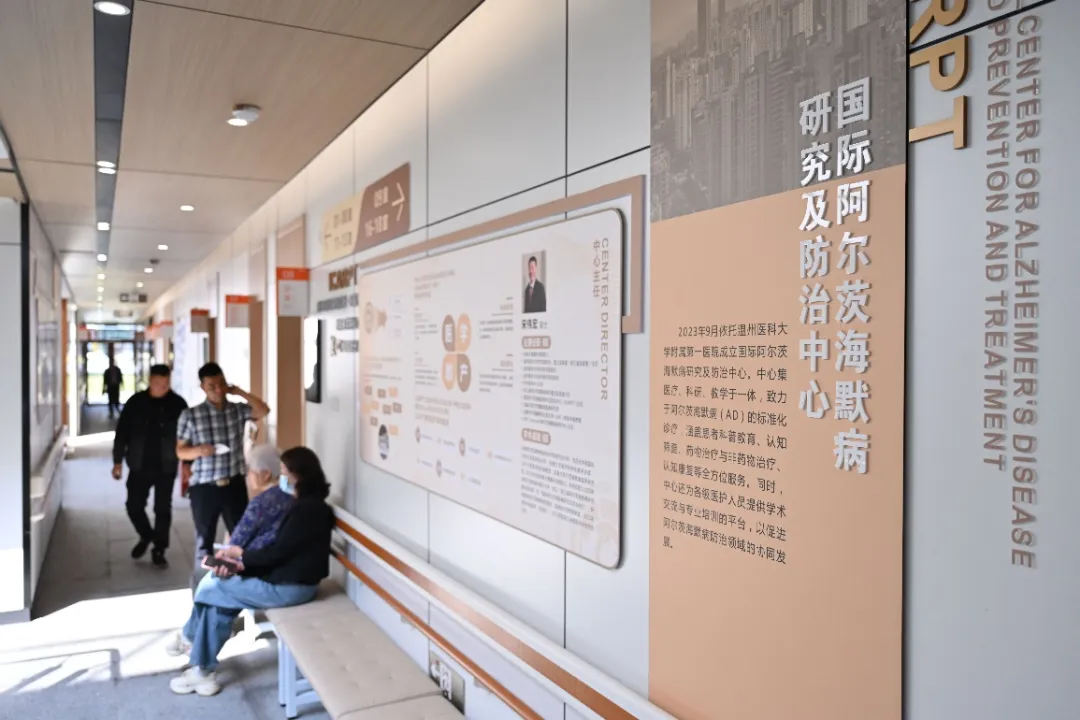
The center capitalizes on the advantages of its industry-academia-research-medicine platform and promotes the integration of education, research, and talent development. It aims to establish standardized, scalable diagnostic and treatment protocols and serve as a national model for collaborative innovation. Its layout adopts a “four-in-one” model, comprising medical diagnosis and treatment units, scientific research units, clinical translation units, and teaching and training units. Patients can receive comprehensive services, including health education, cognitive screening, pharmacological and non-pharmacological treatments, and cognitive rehabilitation. Healthcare professionals can engage in academic exchanges and specialized training, while researchers can conduct in-depth studies based on large-scale clinical sample data.
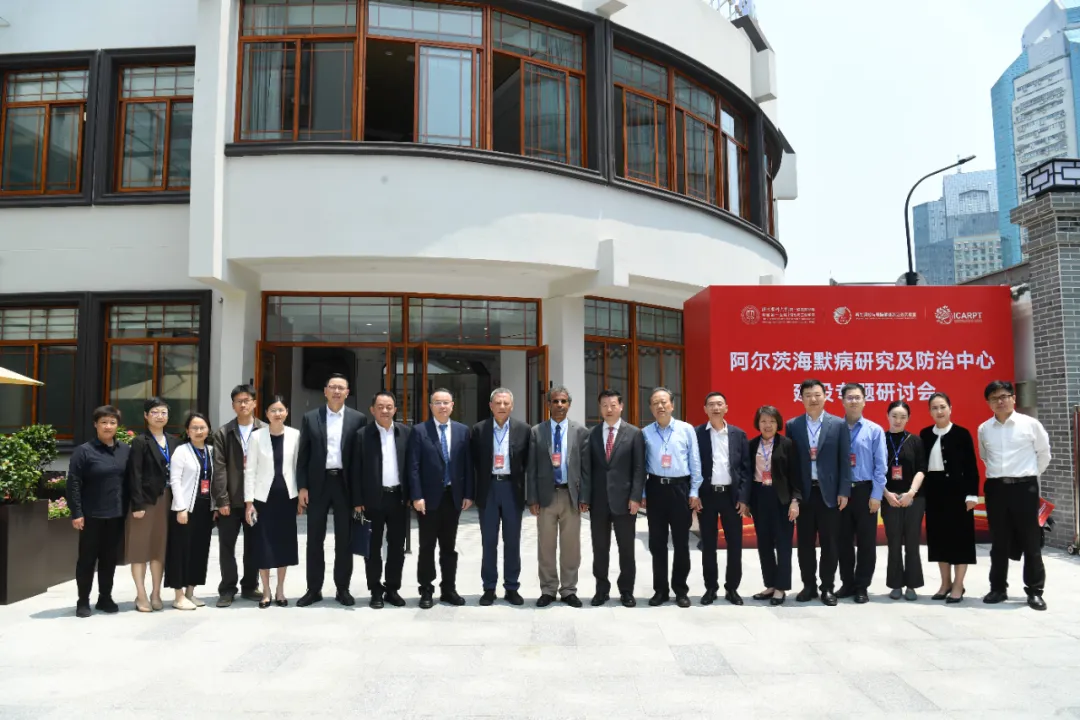
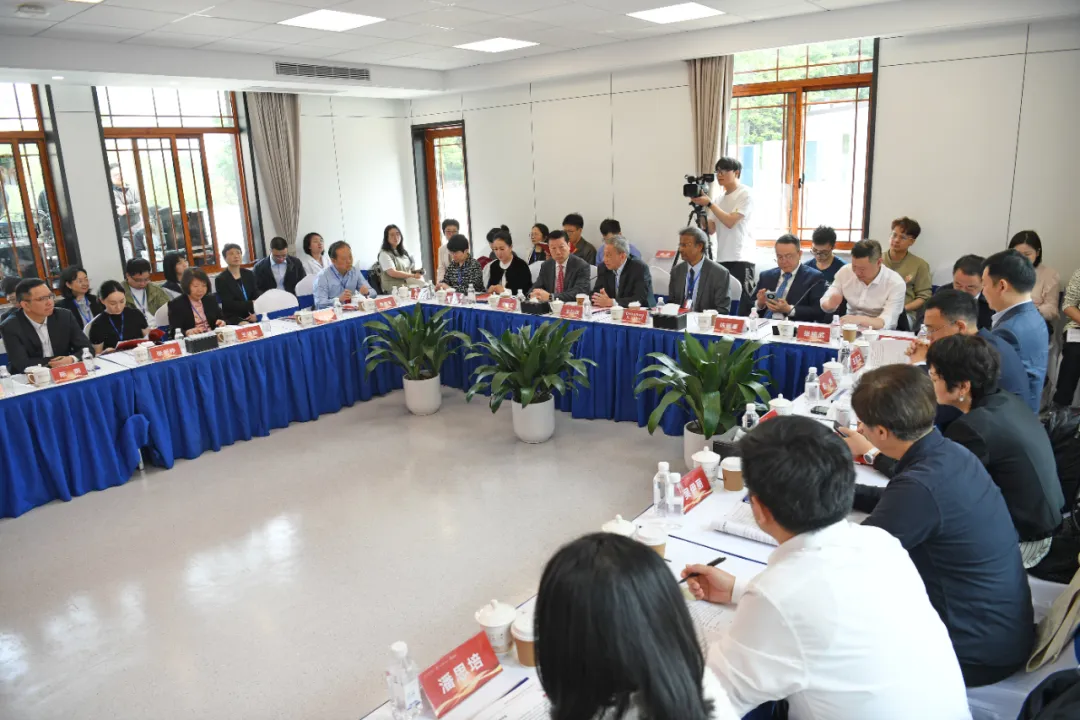
A thematic seminar on the center’s development was held the same morning. Prominent academics and experts from institutions such as the Brain Transformation Research Institute of Fudan University, Indiana University (USA), the Alzheimer’s Disease Research Center (USA), Peking University Sixth Hospital, Chinese PLA General Hospital, Xuanwu Hospital of Capital Medical University, Huashan Hospital of Fudan University, Ruijin Hospital of Shanghai Jiao Tong University, West China Hospital of Sichuan University, Xiangya Hospital of Central South University, Shandong Provincial Hospital, Renmin Hospital of Wuhan University, the First Affiliated Hospital of Zhejiang University, the Second Affiliated Hospital of Zhejiang University, Sir Run Run Shaw Hospital of Zhejiang University, and the Army Medical Center of Army Medical University offered valuable insights and suggestions for the center’s development and addressing aging challenges.
During the seminar, appointments were made for specially invited experts and members of the academic committee.
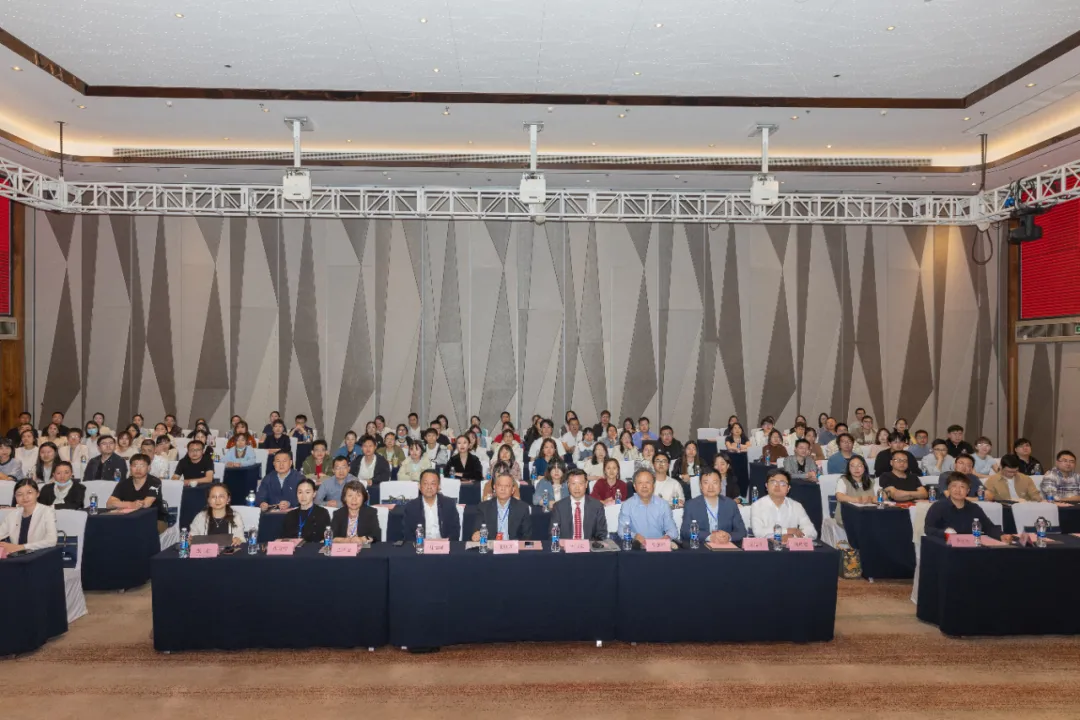
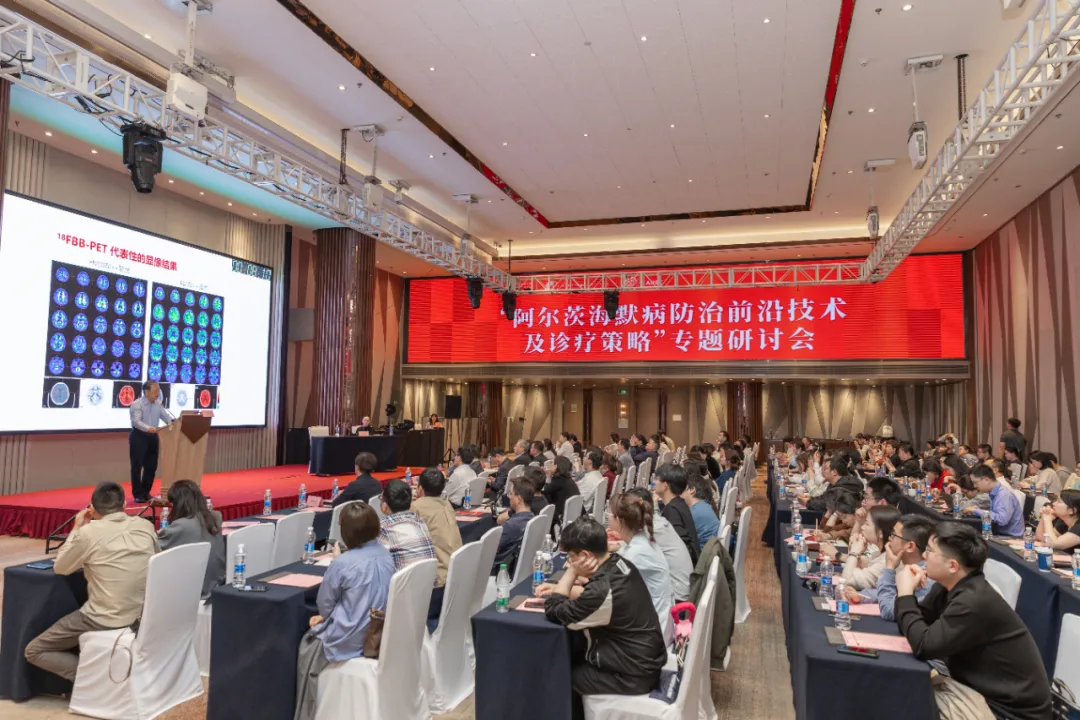
In the afternoon, a thematic workshop on “Frontier Technologies and Diagnostic-Treatment Strategies for Alzheimer’s Disease Prevention and Treatment” was held. Six experts—Jia Jianjun from Chinese PLA General Hospital, Du Yifeng from Shandong Provincial Hospital, Wang Yanjiang from Daping Hospital of Army Medical University, Wang Huali from Peking University Sixth Hospital, Zhang Jing from the Neuroscience Research Institute of Fujian Medical University, and Wang Zhen from the First Affiliated Hospital of Wenzhou Medical University—delivered insightful presentations on topics including “Current Status and Future of Aβ Molecular Imaging,” “Early Prevention and Treatment of AD Based on the MIND-CHINA Cohort,” “Systemic Mechanisms and Translational Diagnosis-Treatment of Alzheimer’s Disease,” “Memory Clinic Development and Early AD Diagnosis-Treatment Practices,” “Exploration of Alzheimer’s Disease Pathogenesis,” and “Chinese Expert Consensus on Diagnosis and Treatment of Alzheimer’s Disease-Derived Mild Cognitive Impairment.” The sessions provided specialized training for over 100 physicians from neurology, geriatrics, and related departments nationwide.
Deputy Chief Physician Pan Sipei, Director of the Geriatric Medicine Center Office and Assistant Director of the International Alzheimer’s Disease Research and Prevention Center, noted that the center will subsequently collaborate with the Healthy Aging to Prevent and Cure Alzheimer’s Disease in China (HAPCAD) initiative. It will conduct Alzheimer’s disease surveys among 2.6 million middle-aged and elderly residents aged 45 and above in Wenzhou communities, offering cognitive screening, health examinations, and stratified cognitive interventions. This effort will form a long-term, large-scale community study, with plans for nationwide expansion.
In the future, through the collaborative efforts of Wenzhou Medical University’s Geriatric Hospital, School of Geriatric Medicine, Geriatrics Research Institute, and the integrated geriatric medicine center, along with the operation of the Alzheimer’s Disease Research and Prevention Center, Oujiang Lab will help establish Wenzhou and Zhejiang as internationally leading, first-class hubs for Alzheimer’s disease prevention, treatment, and research. The goal is to build a scientifically integrated system combining healthcare, education, research, and drug development for Alzheimer’s disease prevention and study.
Further Reading
The International Center for Alzheimer’s Disease Research and Prevention aims to "address clinical needs, promote research translation, and enhance prevention and treatment standards." It brings together senior experts from various fields, including geriatrics, neurology, rehabilitation, psychiatry, and radiology, and is supported by a professional neuropsychological assessment team and a cognitive rehabilitation therapy team. The center has established a comprehensive research paradigm spanning "pathogenesis studies → early precise diagnosis → innovative treatment translation → smart prevention and control systems," providing patients with end-to-end medical services from early screening and accurate diagnosis to systematic treatment.
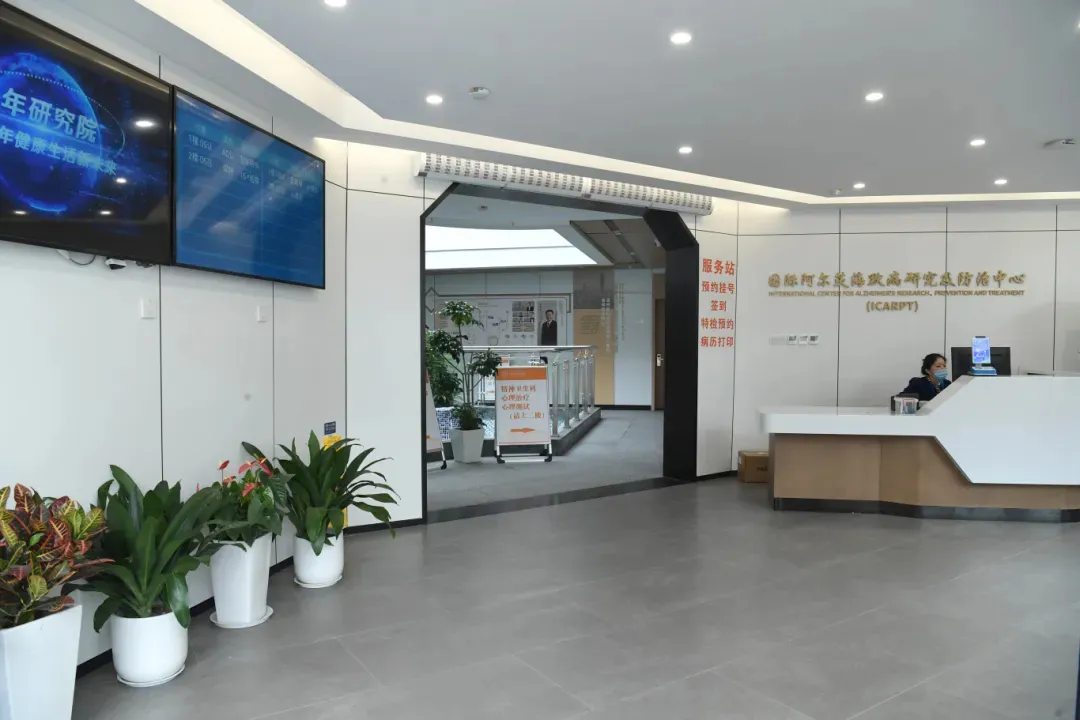
The center is located at the Park Road Campus of the First Affiliated Hospital of Wenzhou Medical University, a comprehensive campus in Wenzhou distinguished by its leading disciplines in geriatric medicine.
The outpatient department (including the teaching clinic) of the center comprises four core functional units:
1.Precise Screening Area (Comprehensive Geriatric Assessment Room):
Provides comprehensive and in-depth health assessments for suspected patients, along with rapid cognitive abnormality screening using multimodal detection technologies to accurately identify early symptoms. Based on the assessment results, the system also offers personalized health plans and continuous health monitoring, forming a complete health management cycle.
2.Dual Outpatient Diagnosis and Teaching Area:
This is the most distinctive area of the center, adopting a "general + special needs" dual-track diagnosis and treatment model to provide tiered medical services for patients with different needs. The general expert outpatient service is staffed by a core diagnosis and treatment team composed of senior experts from geriatrics and neurology on a rotating basis. The specially established "Celebrity Clinic" collaborates with top-tier medical centers across China, regularly inviting nationally renowned Alzheimer’s disease experts to handle complex and difficult cases each month. The two clinics are connected through an intelligent information-sharing system, enabling "seamless integration" of patient data and providing closed-loop management throughout the entire treatment process.
3.Molecular Precision Diagnosis Area:
This is the core technical platform of the center for achieving early diagnosis of Alzheimer’s disease. It employs a dual-track "molecular-imaging" diagnostic strategy to provide reliable pathological evidence for clinical practice. Using an internationally leading ultra-sensitive detection system, it can accurately measure biomarkers with extremely small blood samples, achieving femtogram-level sensitivity. This technology makes it possible to detect Alzheimer’s disease via peripheral blood, significantly improving the patient examination experience while enhancing the early diagnosis rate.
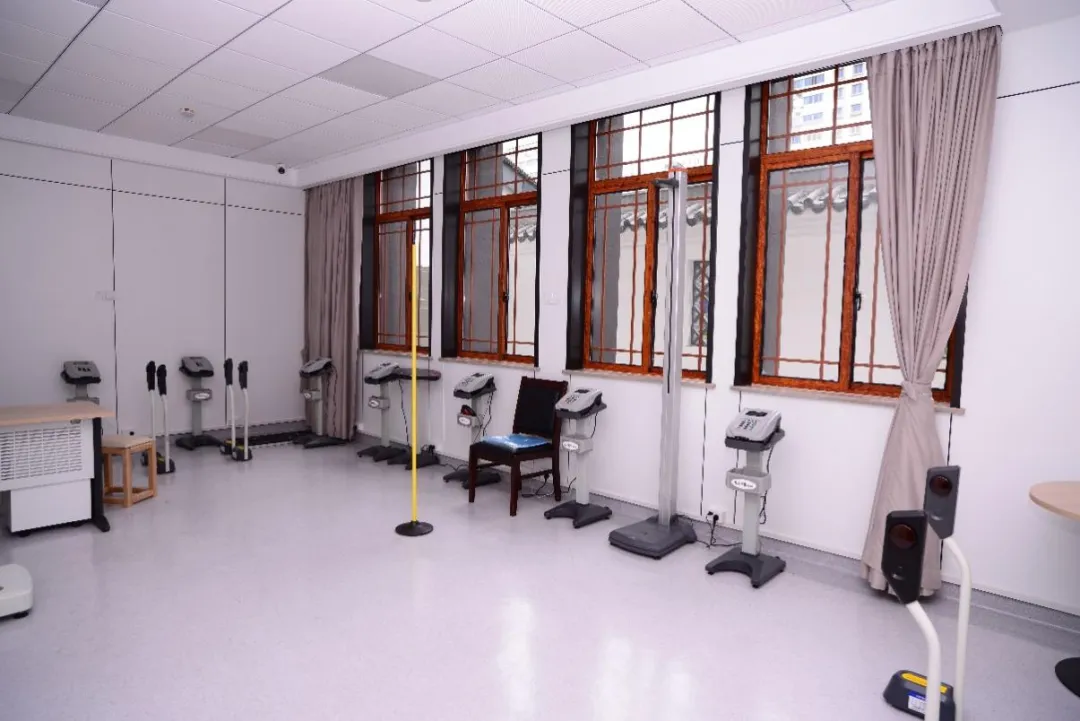
4.Rehabilitation Area:
Integrates non-pharmacological rehabilitation interventions such as virtual reality cognitive training and transcranial magnetic stimulation. A professional team designs personalized rehabilitation plans and regularly evaluates their effectiveness. Combined with home care guidance involving family members, the center provides comprehensive and personalized rehabilitation services for Alzheimer’s disease patients.
These units work synergistically to offer patients a full-cycle, precise service pathway from screening and diagnosis to treatment and rehabilitation.