sunrim@163.com
September 2003 – June 2007
Bachelor’s Degree: Northeast Forestry University, Major in Life Science
September 2007 – June 2010
Master’s Degree: Northeast Forestry University, Major in Developmental Biology
July 2010 – May 2015
Doctoral Degree: University of Magdeburg, Germany, Major in Biology
June 2015 – April 2016
Postdoc, University of Magdeburg, Germany
May 2016 – August 2019
Junior group leader, University of Magdeburg, Germany
September 2019 – Present
Principal investigator, Wenzhou Medical University
December 2020 – Present
Professor, Wenzhou Medical University
May 2021 – Present
Principal investigator, Oujiang Laboratory
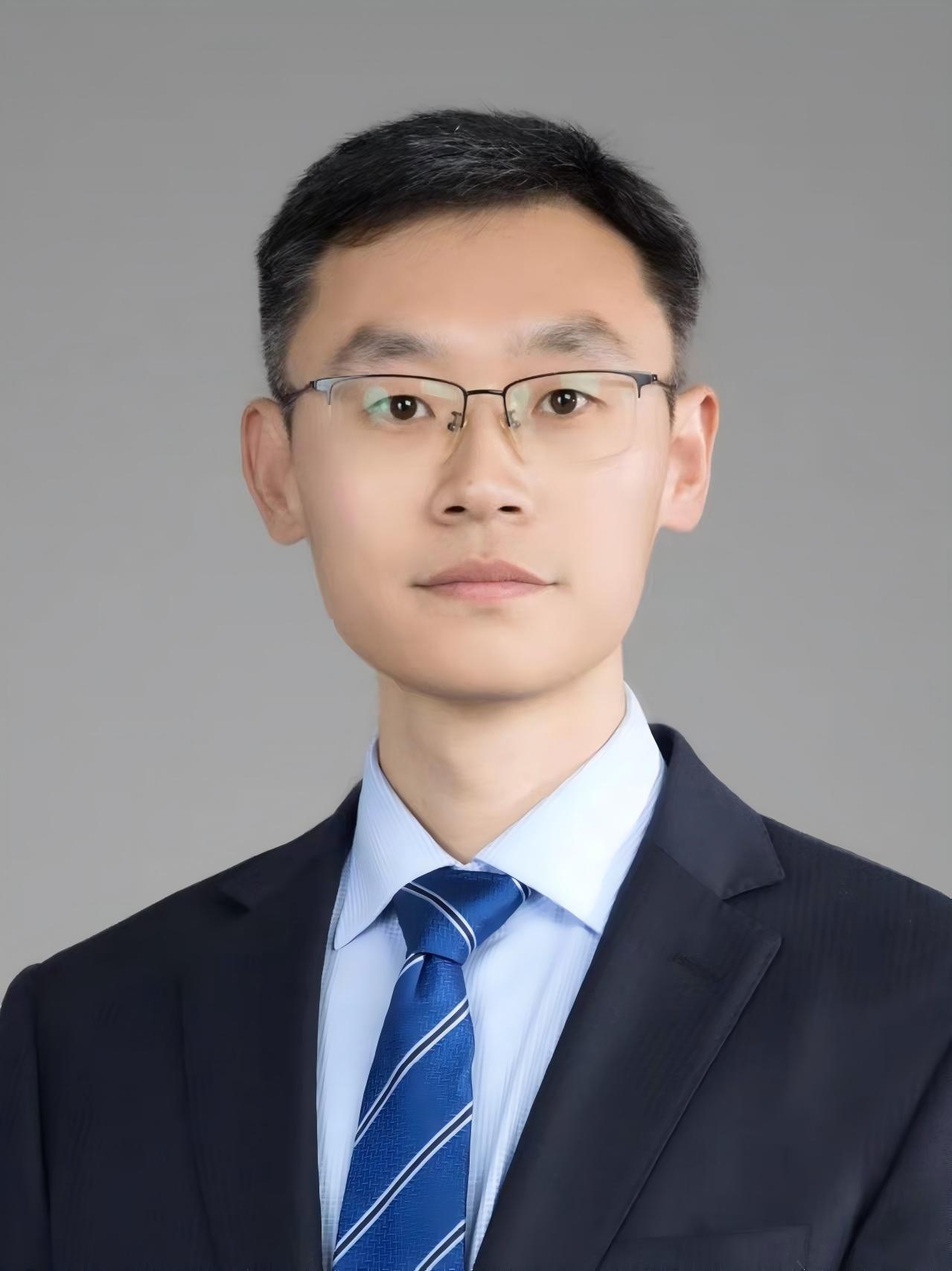
The research interest of Prof. Xu Wang is signal transduction and drug target identification in neuroinflammatory diseases (neurodegenerative diseases, stroke, multiple sclerosis). He and his team try to identify novel therapeutic targets and develop new drugs for neuroinflammatory diseases.
1. Youth Talent of Zhejiang Province
2. Youth Talent of the Zhejiang Province University Leading Talent Training Program
3. Qianjiang Talent of Zhejiang Province
4. Outstanding Doctoral Dissertation Supervisor in Zhejiang Province
5. Associate editor, Journal of Molecular Medicine
6. Junior editor, Life Medicine
7. Committee member, the Anti-inflammatory Immunopharmacology Committee of the Chinese Pharmacological Society
8. Committee member, the Neuroimmunology Committee of the Chinese Society of Microcirculation
9. Committee member, the Receptor and Signal Transduction Committee of the Chinese Society of Pathophysiology
10. Council member, the Zhejiang Society of Biochemistry and Molecular Biology
1. Zhu Z, Li Z, Lambertsen KL, Cao Z, Chen M, Xu Y, Clausen BH, Jin K, Lu Y, Mei F, Du X, Chen K, Bai H, Su X, Zhou B, Liu B, Li R, Wang C, Li Y, Cai X, Schlüter D, Song W*, Wang X*. Regulation of Neuroinflammation by Microglial DUBA-IRAK1-IKKβ Signaling Loop. Adv Sci (Weinh). 2025, e03972. doi: 10.1002/advs.202503972
2. Lou L, Shen J, Zhang J, Mei F, Deng D, Wang D, Xu Y, Chen K, Cheng B, Liu J, Wang X*. VCPIP1 potentiates innate immune responses by non-catalytically reducing the ubiquitination of IRAK1/2. Cell Rep. 2025, 44(7):115931. doi: 10.1016/j.celrep.2025.115931.
3. Zhou B, Yin M, Su X, Sheng S, Du X, Shen J, Chen K, Wang D, Zhu Z, Xu Y, Li Z, Li J, Li Y, Ruan J*, Wang X*. DUBA sustains the stability of NOD2 and RIPK2 to enhance innate immune responses. Cell Death Differ. 2025, doi: 10.1038/s41418-025-01516-5.
4. Mei F, Deng D, Cao Z, Lou L, Chen K, Hu M, Zhu Z, Shen J, Zhang J, Liang J, Huang J, Bao M, Waisman A, Wang X*. Deubiquitination of RIPK3 by OTUB2 potentiates neuronal necroptosis after ischemic stroke. EMBO Mol Med. 2025, 17(4):679-695. doi: 10.1038/s44321-025-00206-6.
5. Shen J, Lou L, Du X, Zhou B, Xu Y, Mei F, Wu L, Li J, Waisman A, Ruan J*, Wang X*. YOD1 sustains NOD2-mediated protective signaling in colitis by stabilizing RIPK2. EMBO Rep. 2024, 25(11):4827-4845. doi: 10.1038/s44319-024-00276-6.
6. Li Z#, Liu B#, Lambertsen KL, Clausen BH, Zhu Z, Du X, Xu Y, Poulsen FR, Halle B, Bonde C, Chen M, Wang X, Schlüter D, Huang J, Waisman A, Song W*, Wang X*. USP25 Inhibits Neuroinflammatory Responses After Cerebral Ischemic Stroke by Deubiquitinating TAB2. Adv Sci (Weinh). 2023, 10(28):e2301641. doi: 10.1002/advs.202301641.
7. Ye B, Zhou H, Chen Y, Luo W, Lin W, Zhao Y, Han J, Han X, Huang W, Wu G, Wang X*, Liang G*. USP25 Ameliorates Pathological Cardiac Hypertrophy by Stabilizing SERCA2a in Cardiomyocytes. Circ Res. 2023, 132 (4): 465-480.
8. Mulas F, Wang X*, Song S, Nishanth G, Yi W, Brunn A, Larsen P, Isermann B, Kalinke U, Barragan A, Naumann M, Deckert M, Schlüter D*. The Deubiquitinase OTUB1 Augments NF-κB-dependent Immune Responses in Dendritic Cells in Infection and Inflammation by Stabilizing UBC13. Cell Mol Immunol. 2021, 18(6): 1512-1527.
9. Wang X*, Mulas F, Yi W, Brunn A, Nishanth G, Just S, Waisman A, Brück W, Deckert M, Schlüter D*. OTUB1 inhibits CNS autoimmunity by preventing IFN-γ-induced hyperactivation of astrocytes. EMBO J. 2019, 38(10):e100947.
10. Wang X, Deckert M, Xuan NT, Nishanth G, Just S, Waisman A, Naumann M, Schlüter D*. Astrocytic A20 ameliorates experimental autoimmune encephalomyelitis by inhibiting NF-kappaB- and STAT1-dependent chemokine production in astrocytes. Acta Neuropathol. 2013, 126:711-724.